
AI类人机器人在叠毛巾和端茶时如何保持平衡?
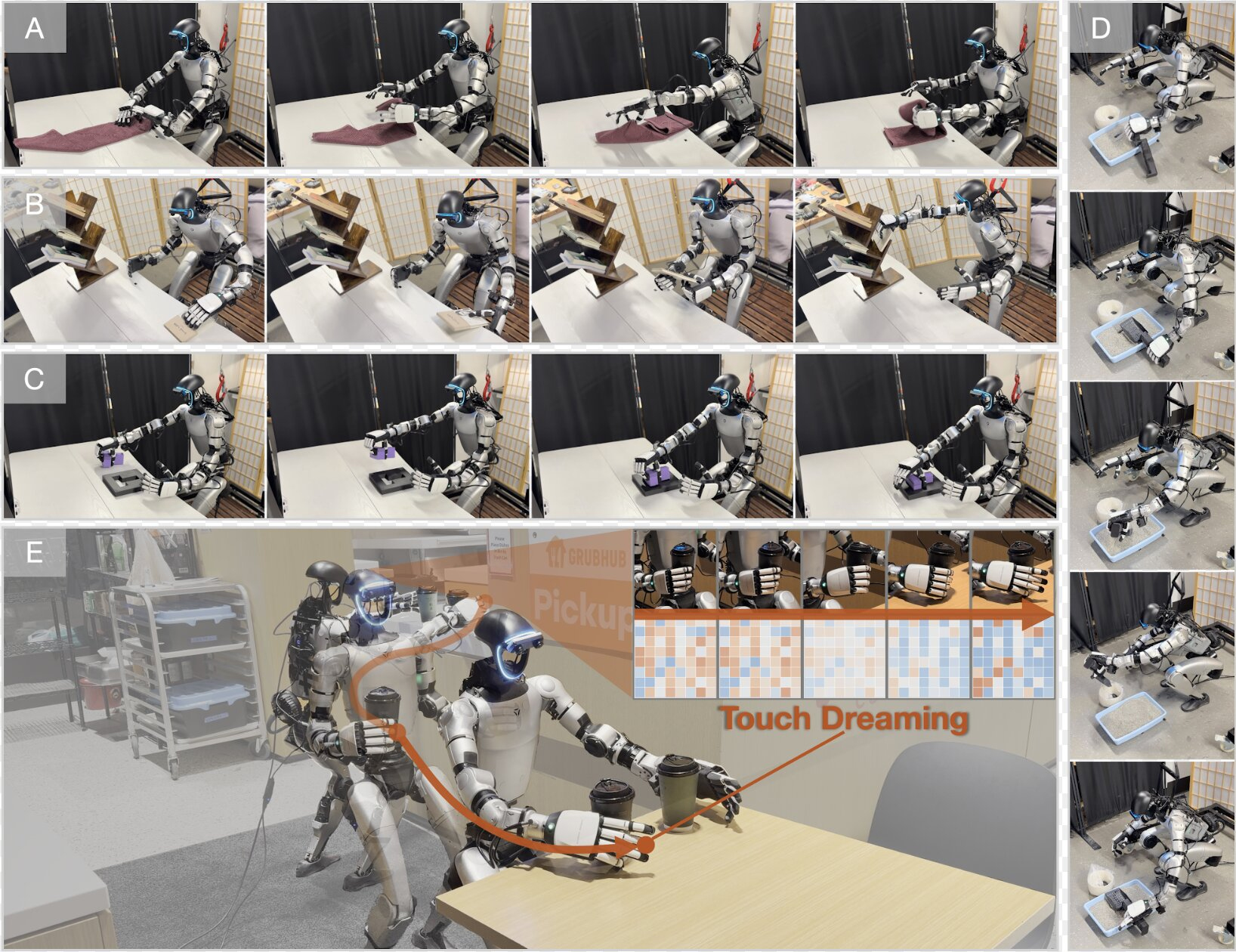
AI Humanoid robots are getting a major upgrade in how they handle real-world messiness—using touch, force, and predictive contact awareness instead of relying mainly on vision. A new AI system called Humanoid Transformer with Touch Dreaming (HTD) boosted success rates across five demanding tasks, delivering a 90.9% relative improvement over a strong baseline by teaching robots to anticipate how contact will change before mistakes happen.
AI类人机器人在处理现实世界混乱方面正经历重大升级——采用触觉、力量和预测性接触感知,而不再主要依赖视觉。一款名为“触摸梦境类人变形金刚”(HTD)的新型人工智能系统,通过教导机器人在错误发生前预测接触变化,提升了五项高强度任务的成功率,相较于强基线提升了90.9%。
AI Humanoid robots can already do impressive things in controlled demos—pick up objects, walk forward, follow basic instructions. But in everyday environments, manipulation gets complicated fast. Objects slip. Fabric folds unpredictably. Containers tilt. Small contact changes turn into full task failures.
AI类人机器人在受控演示中已经能做出令人印象深刻的表现——拾取物品、向前走、遵循基本指令。但在日常环境中,操控变得很快复杂。物体会滑落。布料折叠时会不可预测。容器会倾斜。小的接触变化最终导致任务失败。
That’s where a new AI-driven robotics platform from Carnegie Mellon University and the Bosch Center for AI aims to close the gap. Their system focuses on something humans rely on constantly but robots often lack: continuous awareness of touch and force while moving their entire body.
这正是卡内基梅隆大学和博世人工智能中心推出的新型AI驱动机器人平台,旨在缩小这一差距的地方。他们的系统专注于人类持续依赖但机器人常常缺乏的东西:在移动全身时对触觉和力量的持续感知。
Why this matters 为什么这很重要?
AI Robots that can walk and grasp are no longer the main challenge—robots that can reliably handle physical contact in real environments are. Household chores, hospital support tasks, store assistance, and industrial work all demand more than visual recognition. They require stable balance, coordinated movement, and constant prediction of how objects will respond to touch.
能够行走和抓取的AI机器人不再是主要挑战——能够可靠处理真实环境中物理接触的机器人才是主要挑战。家务、医院支持任务、商店协助和工业工作都需要超越视觉识别。它们需要稳定的平衡、协调的运动,以及持续预测物体对触觉的反应。
By training humanoid robots to anticipate contact changes through touch dreaming, HTD moves robotic manipulation closer to the way humans naturally operate: adjusting in real time, using force feedback, and predicting what will happen next. If these systems continue to scale and generalize, humanoid robots could become significantly more capable in the unpredictable, contact-heavy settings where they’re expected to eventually work.
通过训练类人机器人通过“触觉梦想”预判接触变化,HTD使机器人操作更接近人类的自然运作方式:实时调整、使用力反馈并预测下一步。如果这些系统继续扩展和普及,类人机器人在未来预期工作的不可预测、接触密集的环境中将大幅提升能力。